 Get 10% off your first order with the code welkom10
A Healthy Cat is a Happy Cat
As a cat lover, you naturally want your furry friend to be healthy and happy. Regularly monitoring your cat's health is crucial to detect and treat any problems early. In this blog, we discuss why it is important to monitor your cat's health and how best to do so.
Early Detection of Health Problems
Cats are masters at hiding pain and discomfort. This is due to their natural instinct to hide weakness, which in the wild might protect them from predators. As a result, health problems can often be noticed at a late stage. By checking your cat's health regularly, you can catch early signs of illness or discomfort.
Key health indicators:
- Weight: Sudden changes in weight may indicate health problems such as diabetes, thyroid disease or kidney disease.
- Coat and skin: A healthy coat is shiny and full. Bald spots, excessive scratching or flaky skin can be signs of allergies, parasites or skin infections.
- Eyes and ears: Eyes should be clear with no discharge, and ears should be clean with no odor or redness.
Regular Vet Visits
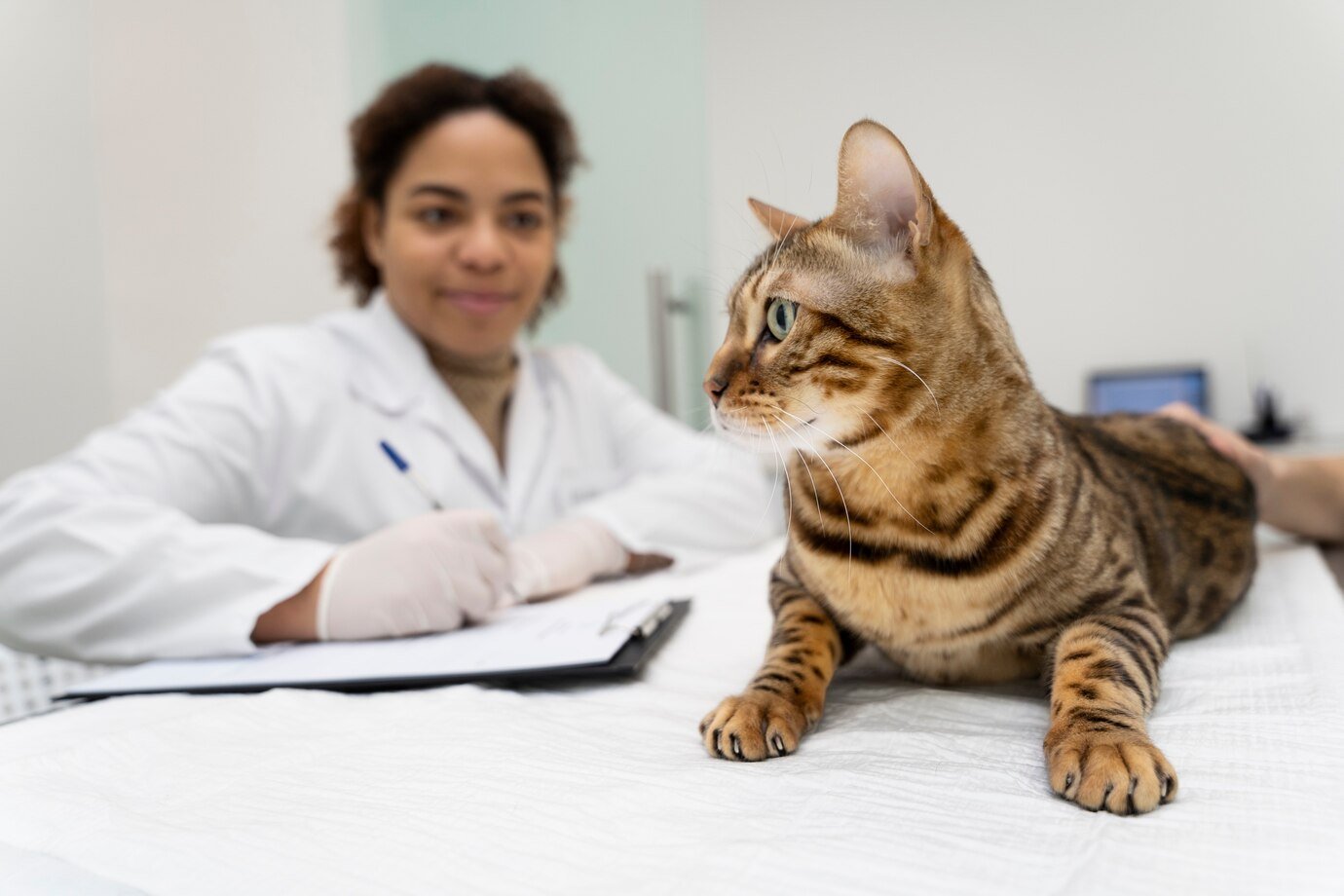
One of the best ways to monitor your cat's health is through regular visits to the veterinarian. The veterinarian can perform routine blood tests, urinalysis and physical exams to assess your cat's overall health.
Recommended frequency:
- Young cats (0-6 months): Monthly for vaccinations and basic health checks.
- Adult cats (1-7 years): Annually for a general health check.
- Senior cats (7+ years): Twice a year for comprehensive health checks.
Home health checks
In addition to regular vet visits, it is important to monitor your cat's health yourself at home. This can be done through simple daily and weekly checkups.
Daily checks:
- Appetite and drinking behavior: Watch for changes in appetite and drinking behavior, which may indicate problems such as dental problems, kidney disease or diabetes.
- Energy and activity level: Reduction in activity or lethargy may be a sign of illness.
Weekly checks:
- Teeth: Check for plaque, gum disease or bad breath.
- Nails and paws: Make sure nails are not too long and check for injuries or infections.
The Importance of a Healthy Diet
Nutrition plays a crucial role in your cat's health. A balanced diet helps prevent obesity, diabetes and other diet-related conditions. Consult with your veterinarian about the best nutritional options for your cat based on age, weight and health status.
Nutrition recommendations:
- Choose high-quality cat food: Make sure the feed contains the right balance of proteins, fats and carbohydrates.
- Avoid human food: Many foods that are safe for humans can be toxic to cats, such as chocolate, onions and garlic.
Conclusion
Monitoring your cat's health is essential to ensure that your furry friend lives a long, healthy and happy life. Regular vet visits, home checks and a balanced diet will help you identify and treat problems early. Invest in your cat's health; it's the best way to show your love and care for them.
Sources: