 Get 10% off your first order with the code welkom10
The first few weeks
Small kittens need their mother to help them learn how to take care of themselves. If their mother uses the litter box, the kittens are likely to learn this quickly as well.
Mother cat learns best: In the first six weeks, mother cat teaches her kittens how to clean themselves. She helps the kittens do their needs and makes sure they clean themselves afterwards. She wants her kittens to become independent.
Remark: If your kitten is under 3 weeks old, they are still too young to be housebroken. Until they are about 4 weeks old and begin to wean, you should clean them as their mother does.
Outdoor cat training
If the mother cat is an outdoor cat, it may be more difficult to train the kittens. An outdoor cat may not know what a litter box is. In that case, humans must take over and train them.
The instinct to seek out a sandy place to do their business comes naturally. Especially if the adult cat is used to being outside.
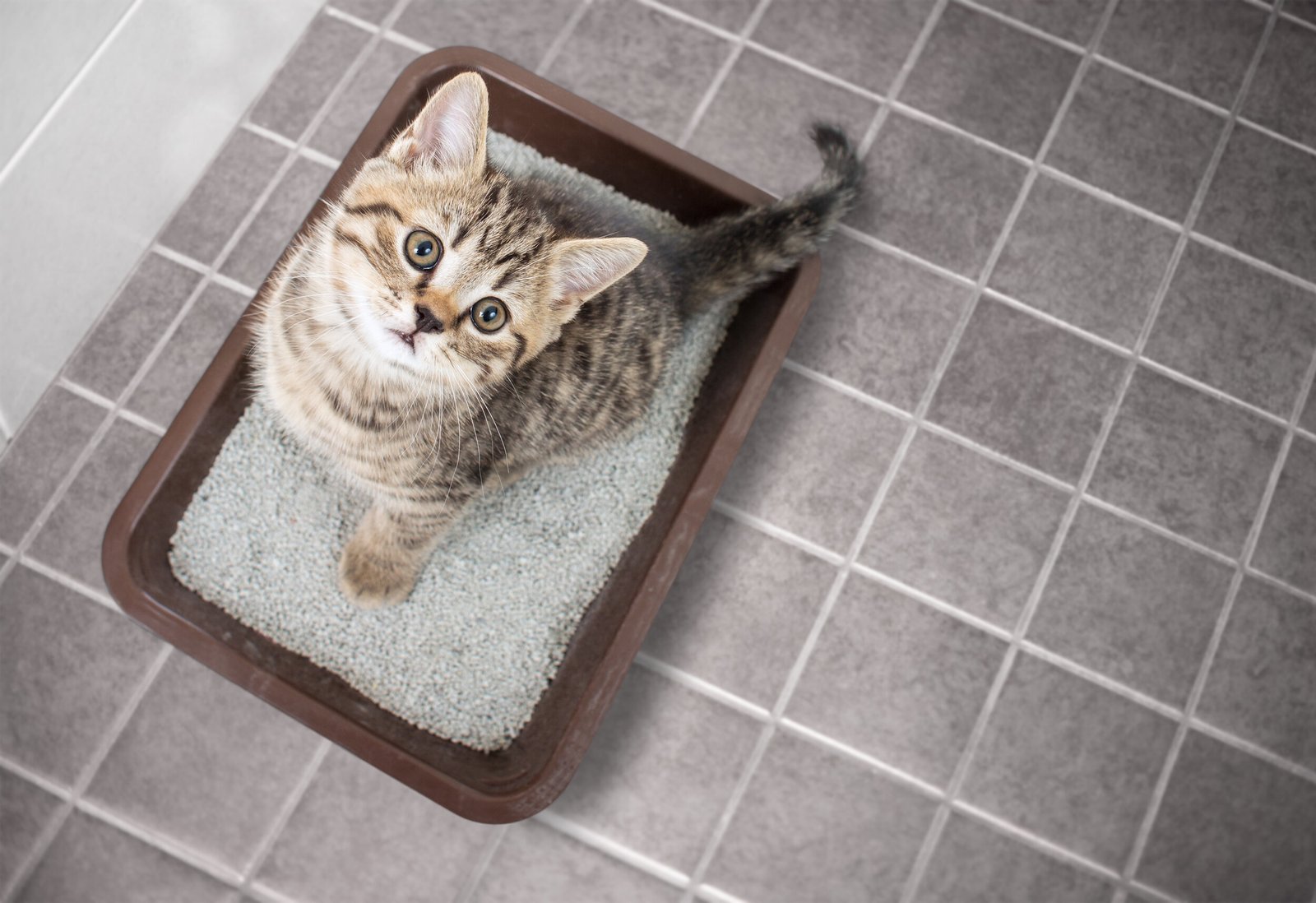
Sometimes kittens need help learning to use the litter box in a new environment. Here are a few steps to help them:
- Show them where the litter box is: Take your kitten to the litter box as soon as you get home. Remind them regularly where the litter box is.
- Use a smaller container: A large bowl can be intimidating for young kittens. Start with a smaller bowl that they can enter easily.
- Reward good behavior: When your cat uses the litter box, give a reward such as a toy or snack. This helps them associate the litter box positively.
Important considerations for the litter box
The right size bin: A bin that is too large can be intimidating to a young kitten. Start with a smaller litter box that is easily accessible. As your kitten grows, so should the litter box. A rule of thumb is that the litter box should be 1.5 times your cat's height.
Number of litter boxes: For one kitten, one litter box is sufficient. But for multiple cats, it is recommended to have one litter box per cat plus one extra. This helps to avoid bin sharing problems.
Litter box location: Place the litter box in a quiet, well-lit area with little foot traffic. Cats do not like to feel cornered during their needs.
Type of cat litter: Some kittens try to eat the cat litter. Avoid clumping cat litter for young kittens because it can cause digestive problems. Try different types of litter to see which one your cat likes.
The invention of cat litter
Cat litter is a modern invention. People used to use sand or ash, but this did not work well. Nowadays, there are many different types of cat litter, such as clay, tofu, crystal, paper pellets, walnut, pine and corn.
Clay: This is the oldest and most widely used form of cat litter. However, it can be dusty and clay particles can be scattered throughout the house.
Tofu: Made from soybeans, this new form of cat litter is biodegradable, non-toxic and dust-free. It clumps well and can be flushed down the toilet. The downside is that tofu litter is susceptible to mold.
Paper pellets: Made from recycled paper, this is an eco-friendly option. It is less dusty and spreads less around the house.
Walnut: This filling is made from ground walnut shells. It is lighter than clay and has a similar texture.
Pine: Made from recycled wood, this stuffing is environmentally friendly and has a natural pain scent. However, some cats find the texture unpleasant.
Corn: This is another eco-friendly option, but it can be susceptible to mold.
Crystal: Crystal filling is made of silica gel and is highly absorbent and lightweight. It also helps to neutralize odors.
The ins and outs of cat baking training
Show them the bin: One of the most important steps in training is to show your kitten where the litter box is. Take them there as soon as you get home.
Reward good behavior: Give your cat a reward when they use the litter box correctly. This can be a toy or a treat.
Daily cleaning: A clean litter box is essential. Be sure to clean the litter box daily to prevent your cat from relieving itself elsewhere.
Training older cats: Older cats usually already know the litter box rules, but if they come from outside, it can be tricky. Start with outdoor soil in the box and gradually mix in cat litter until they get used to it.
Be patient: It may take time before your cat is fully housebroken. Stay patient and consistent.
Summary
Training your cat to use the litter box can take patience and consistency, but it is well worth the effort. By choosing the right litter box, cat litter and rewards, you can ensure that your cat becomes and stays housebroken quickly.
Sources:
- Booth, S. (2022, April 11). Common Carcinogens You Should Know.
- Char, J. (2021, August 4). How to Choose a Litter Box for Your Cat.
- Elliott, D. (2020, July 1). What Does It Mean When a Kitten Is Eating Litter?
- Helmer, J. (2022, October 1). The Wildest.
- Lovejoy, J. (2020, April 20). Litter Training Kittens 101: When to Start and How to Do It.